
Calcium deficiency
Calcium deficiency usually means you eat too little calcium for years, so your body borrows it from your bones to keep blood levels steady. Blood calcium stays normal while bones slowly thin. Most Indians get well under the recommended 1,000 mg a day, and food is the main fix.
is what most Indians get from food, according to ICMR-NIN data cited by the Endocrine Society of India, against a need of about 1,000 mg.
is the ICMR-NIN 2020 recommended intake, about four glasses of milk. Women after menopause need 1,200 mg.
places India among the lowest calcium intakes in the world, in a 74-country review.
Am I at risk?
Tick what applies to you. Nothing is stored or sent anywhere.
This is a quick guide to whether a test or a doctor visit makes sense, not a diagnosis.
Signs to notice
Low calcium intake has almost no early signs. Damage shows up years later.
Muscle cramps, tingling around the mouth and fingers, and spasms are signs of low blood calcium (hypocalcaemia). That is a medical problem, usually from vitamin D, parathyroid, kidney or magnesium issues, not from diet alone.
Why Indian diets fall short
The calcium gap in India is mostly about what is eaten, and how well it is absorbed.
Not enough dairy
Many adults drink milk only in chai. A cup of tea has a few spoons of milk, not a glass.
Low vitamin D
Vitamin D controls how much calcium the gut absorbs. When it is low, even a good diet delivers less.
Plant calcium is partly locked
Oxalates in palak and phytates in grains and dals bind calcium, so leafy greens are a weaker source than they look.
Menopause
Falling oestrogen speeds up bone loss for several years after menopause.
Teen years
Most bone mass is built by the early twenties. Low intake in teenage years means a smaller bone bank for life.
Medicines and habits
Long-term steroids, some acidity tablets, very high salt, heavy caffeine and smoking all work against bones.
What tests show, and what they miss
There is no blood test for calcium intake. Your body holds blood calcium in a tight range by drawing on bone, so a normal serum calcium does not prove you eat enough. Here is what the common results mean.
Your body is keeping blood calcium steady. It says nothing about whether your diet is enough.
Rarely from diet alone. Usually vitamin D, parathyroid, kidney or magnesium problems. Needs a doctor.
Can come from parathyroid disease, some cancers, or excess vitamin D or calcium supplements. Needs a doctor.
Shows the long-term effect of low calcium, low vitamin D, age and hormones on bone.
If your doctor checks bone health, the useful set is often 25(OH)D, serum calcium, phosphorus and sometimes PTH, plus a DEXA scan for women after menopause and older men.
How it is fixed
Food first
Experts in India now stress food over pills: milk, curd, paneer, ragi, til, rajma, horse gram and some greens like drumstick and curry leaves.
Spread it out
The body absorbs calcium best in amounts of about 500 mg or less at a time, so a calcium food at each meal works better than one big dose.
Check vitamin D
Low vitamin D cuts calcium absorption. Fixing it can matter as much as eating more calcium.
Supplement only to fill the gap
If food cannot get you there, a supplement can make up the difference. Avoid routine calcium products containing calcitriol; experts advise plain vitamin D3 instead. Do not take more than your doctor advises, and if you have kidney stones or kidney disease, ask your doctor first.
Add what you eat on a usual day. Most adults need about 1,000 mg a day (ICMR-NIN 2020).
Values are approximate, from Indian food data and the Endocrine Society of India. Absorption varies, and plant sources are absorbed less well than dairy.
Two cups of chai and a katori of curd, a common day, land around 250 to 300 mg, well short of 1,000. Adding a glass of milk and a ragi roti closes much of the gap without any tablets.
How long it takes
Use the food maths, and test vitamin D if your doctor advises.
Add one calcium food to each meal. There is nothing to feel yet; bones change slowly.
If you were low in vitamin D, levels recover and calcium absorption improves.
If you had a DEXA scan, a repeat after 1 to 2 years shows the trend. Changes are slow.
Calcium is a daily habit, especially for teens, pregnant women and after menopause.
Which doctor to see
General physician
For diet questions, vitamin D, and deciding whether you need a supplement.
Gynaecologist
For calcium needs in pregnancy and breastfeeding, and bone health after menopause.
Endocrinologist
For low or high blood calcium, parathyroid issues or osteoporosis.
Orthopaedic doctor
After a fracture from a minor fall, or for back pain with loss of height.
See a doctor without waiting if you have muscle spasms, tingling around the mouth or fingers, or seizures. These suggest low blood calcium, which needs urgent care.
Myths, checked
Palak contains calcium, but oxalates lock most of it up. Ragi, til and dairy are far better sources.
Blood calcium stays normal by borrowing from bones. It cannot show a low diet.
Evidence of harm is limited, especially where intake is low, as in India. Food first, and supplements only to fill the gap.
Bone is built in childhood and the teen years. Low intake then matters for life.
A cup of chai has only a small amount of milk, giving a fraction of a glass’s calcium.
Your free 90-day calcium plan
A one-page checklist for the first three months: test, daily routine, what to note and when to recheck. Free: just share your email and mobile number.
The reminder adds an event to your phone or computer calendar 90 days from today.
Questions people ask
How much calcium do I need a day?
ICMR-NIN 2020 recommends about 1,000 mg a day for most adults, including in pregnancy, and about 1,200 mg while breastfeeding and for women after menopause.
Can a blood test show calcium deficiency?
Not from diet. Blood calcium is kept steady by drawing on bones, so it stays normal even when intake is low.
What are the best non-dairy calcium sources in India?
Ragi, til (sesame), horse gram, rajma, drumstick leaves and curry leaves. Sprouting ragi improves how much calcium is absorbed.
Should I take calcium with vitamin D?
Vitamin D helps you absorb calcium. Experts advise plain vitamin D3 when needed, not calcium products with calcitriol unless a doctor specifically prescribes it.
When is the best time to take a calcium supplement?
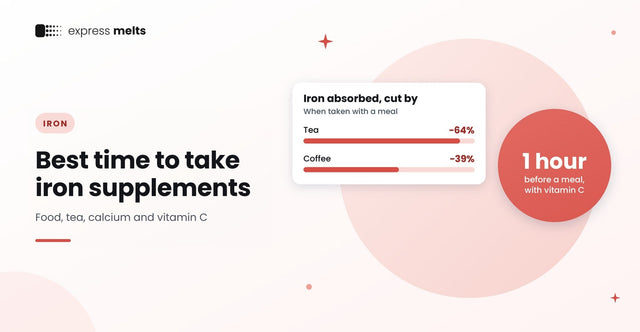
Split doses of 500 mg or less, with meals, and keep them away from iron tablets because calcium reduces iron absorption. If you have kidney stones or kidney disease, ask your doctor before taking calcium.
Related articles


My 90-day calcium plan
ExpressMelts Nutrient Glossary · expressmelts.com/pages/glossary/calcium-deficiency · For education only, follow your doctor’s advice.
Week 0: start
- Vitamin D: ______ Calcium: ______ Date: ________
- Likely cause discussed with doctor: ______________________
- Treatment advised: ______________________
- Other tests done: ______________________
Every day
- A calcium food at each meal: milk, curd, paneer, ragi, til
- Sun or vitamin D as advised
- Calcium supplement only if prescribed: ______ mg
Weeks 1 to 4: notice
- Daily calcium estimate from the food maths: ______ mg
- Missed doses this month: ____
Month 3: review
- Follow-up booked: ________
- Questions for my doctor: Is my vitamin D adequate? Do I need a supplement or a bone density scan?
See a doctor sooner if
- Muscle spasms, tingling around the mouth or fingers, seizures, or a fracture from a minor fall.