
Magnesium deficiency
Magnesium deficiency means your body is short of the mineral it uses for muscles, nerves, heart rhythm and blood sugar control. Mild shortfalls are common and quiet, while true low blood magnesium is usually caused by medicines, diabetes, alcohol or gut losses. Because almost all magnesium sits inside cells and bone, a blood test can look normal even when stores are low.
is the ICMR-NIN 2020 recommended intake, higher than many people reach on refined-grain diets.
is in the blood. The rest sits in bone, muscle and other cells, which is why blood tests miss mild shortfalls.
is the usual duration after which, the US FDA warned in 2011, proton pump inhibitors can cause low magnesium.
Am I at risk?
Tick what applies to you. Nothing is stored or sent anywhere.
This is a quick guide to whether a test or a doctor visit makes sense, not a diagnosis.
Signs to notice
Mild magnesium shortfall rarely causes clear symptoms. When blood levels fall, signs appear in muscles, nerves and the heart.
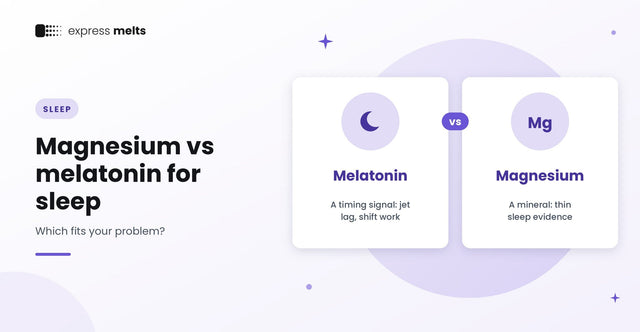
Night-time leg cramps are often blamed on magnesium, but most are not caused by deficiency. For magnesium’s role in sleep, read Magnesium vs melatonin for sleep.
Why magnesium runs low
In India, the usual reasons are refining, medicines and blood sugar, rather than a lack of food.
Refined grains
Milling removes the bran and germ, where most of a grain’s magnesium lives. Polished rice and maida carry much less than hand-pounded rice, whole wheat or millets.
Long-term acidity tablets
Proton pump inhibitors like pantoprazole and omeprazole, taken for a year or more, can lower blood magnesium, sometimes sharply.
Diabetes
High blood sugar makes the kidneys lose more magnesium in urine, and low magnesium may in turn worsen blood sugar control.
Water pills and alcohol
Diuretics and regular drinking both increase magnesium loss through the kidneys.
Diarrhoea and gut disease
Chronic diarrhoea, coeliac disease and inflammatory bowel disease reduce absorption and increase loss.
Very soft or RO water
Hard water supplies some magnesium. Reverse-osmosis water removes most of it, so food has to do all the work. For most people this is a small effect.
What does your number mean?
Look for Serum magnesium or Magnesium, serum. It is usually in mg/dL; some labs use mmol/L.
Bands use the common reference range of about 1.8 to 2.3 mg/dL (0.75 to 0.95 mmol/L); your lab’s range may differ slightly. A normal result does not rule out low body stores, because so little magnesium is in the blood. 1 mmol/L equals 2.43 mg/dL.
Significantly low. This needs prompt medical care, as it can affect heart rhythm, calcium and potassium.
Low blood magnesium. Your doctor will look for the cause, such as medicines, diabetes or gut losses, and treat it.
Blood magnesium is normal. Mild low stores can still exist if your diet is poor.
Uncommon. Usually from kidney problems or too many magnesium supplements or antacids. Talk to your doctor.
Low magnesium often travels with low potassium and low calcium, and those may not correct until magnesium is fixed.
How it is fixed
Food first
Nuts, seeds, dals, whole grains, millets and green leafy vegetables are the best sources. Swapping polished rice for some millets or hand-pounded rice helps.
Review medicines
If you take acidity tablets or diuretics long term, ask your doctor whether you still need them, or whether magnesium should be monitored.
Supplement, if advised
For confirmed low magnesium, doctors may prescribe magnesium by mouth. Supplements above about 350 mg a day can cause diarrhoea, and people with kidney disease should not take them without advice.
Hospital treatment for severe cases
Very low magnesium, or low magnesium with heart rhythm problems, is treated in hospital with magnesium through a drip.
Add what you eat on a usual day. Women need about 370 mg a day and men about 440 mg (ICMR-NIN 2020).
Values are approximate, from NIH and Indian food data. Refined grains (polished rice, maida) carry much less magnesium than whole grains.
A day of rotis, one dal and a katori of curd lands well under the need. A handful of nuts and a tablespoon of seeds can add 100 to 130 mg on their own.
How long it takes
Blood test if advised, medicines reviewed, diet changes started.
With treatment, blood magnesium usually rises within days.
Cramps, twitches and tiredness from low magnesium usually settle.
Body stores take longer to rebuild, especially if the cause continues.
Keep magnesium foods daily, and recheck if you stay on acidity tablets or diuretics.
Which doctor to see
General physician
For cramps, twitches, tiredness, or if you take acidity tablets or diuretics long term.
Diabetologist
Ask whether your magnesium should be checked, especially if sugar control is poor.
Cardiologist
For palpitations or an irregular heartbeat with low magnesium.
Nephrologist
Before any magnesium supplement if you have kidney disease.
Gastroenterologist
For chronic diarrhoea or conditions affecting absorption.
See a doctor without waiting if you have palpitations, an irregular heartbeat, seizures, severe muscle spasms or confusion.
Myths, checked
Most night cramps have other causes. Magnesium supplements do not reliably prevent ordinary leg cramps.
Less than 1% of body magnesium is in the blood. Mild low stores can hide behind a normal result.
Magnesium can help if you are low, but extra magnesium is not a sleeping pill.
People with kidney disease can build up magnesium to dangerous levels. Check with a doctor first.
Your free 90-day magnesium plan
A one-page checklist for the first three months: test, daily routine, what to note and when to recheck. Free: just share your email and mobile number.
The reminder adds an event to your phone or computer calendar 90 days from today.
Questions people ask
What are the first signs of low magnesium?
Often nothing. When blood magnesium falls, early signs include loss of appetite, nausea, tiredness and weakness, followed by cramps, tingling and twitches.
Can acidity tablets cause magnesium deficiency?
Yes. Long-term use of proton pump inhibitors, usually over a year, can lower blood magnesium. Ask your doctor whether you still need them.
Which Indian foods are high in magnesium?
Almonds, cashews, pumpkin seeds, rajma, chana, palak, whole wheat, millets like ragi and bajra, and bananas.
Is a serum magnesium test accurate?
It detects low blood magnesium but can miss low body stores, because less than 1% of magnesium is in the blood.
Can magnesium help with sleep?
It may help if you are low. In people with normal magnesium, evidence for better sleep is limited.
Related articles

My 90-day magnesium plan
ExpressMelts Nutrient Glossary · expressmelts.com/pages/glossary/magnesium-deficiency · For education only, follow your doctor’s advice.
Week 0: start
- My serum magnesium result: ________ (unit ______) Date: ________
- Likely cause discussed with doctor: ______________________
- Treatment advised: ______________________
- Other tests done: ______________________
Every day
- A handful of nuts or a spoon of seeds
- At least one dal or whole-grain or millet meal
- Supplement only if prescribed: ______ mg
Weeks 1 to 4: notice
- Cramps, twitches, sleep (better / same / worse): ________
- Missed doses this month: ____
Month 3: review
- Follow-up booked: ________
- Questions for my doctor: Do I still need my acidity tablets or diuretics? Should potassium and calcium be checked too?
See a doctor sooner if
- Palpitations, irregular heartbeat, seizures, severe spasms or confusion.