Chamomile
Chamomile is a daisy-like flower brewed into a gentle, caffeine-free tea. It is used for calm and sleep, and small studies suggest it may ease mild anxiety.
It comes from the flower.
No test.
What chamomile does
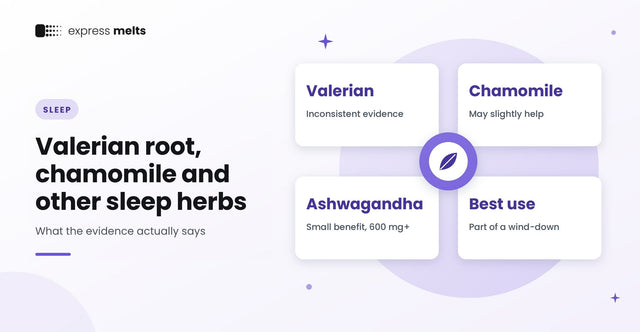
Chamomile tea has been a bedtime drink for centuries. The flower contains apigenin, a compound that binds to the same brain receptors as some calming medicines, though far more gently.
Small trials suggest chamomile extract may ease symptoms of mild generalised anxiety. Evidence for sleep is weaker but encouraging in older adults.
People allergic to ragweed, marigold or daisies may react to chamomile, with rashes or, rarely, more serious allergy.
Ways to have it
Chamomile is enjoyed as a drink.
- CChamomile teaSteeped flowers
- WWith honeyBefore bed
- IIced chamomileSummer option
- HHerbal blendsWith mint
- BBabunahIn Unani use
- EExtract capsulesStandardised
Kitchen tip: Steep for 5 minutes with a lid on, to keep the aromatic oils in the cup.
Reading the label
Chamomile comes as tea or extract.
Loose flower tea often has more aroma than dusty tea bags.
Is there a test?
Chamomile is not tested.
PT / INR
Checked if you drink it daily on warfarin.
Allergy test
If you react to daisies or ragweed.
There is no chamomile level to measure.
Drinking chamomile with blood thinners in large amounts
Chamomile may slightly increase the effect of warfarin.
How to have it
One thing to do today
A warm caffeine-free cup is a good signal for sleep.
Questions people ask
Does chamomile tea help sleep?
Many find it relaxing. Evidence is modest, but it is safe and caffeine-free.
Is chamomile safe in pregnancy?
Occasional tea is widely considered safe. Ask your doctor about extracts.
Can chamomile cause allergies?
Yes, mainly in people allergic to ragweed, marigold or daisies.